




Discover the Best Fillings for Beanbags: A Comprehensive Guide to Enhancing Comfort
Beanbags have been a popular seating option for decades, providing a cosy and comfortable alternative to traditional chairs. With their soft, flexible design, they can mould to your body, offering a more personalised seating experience. One of the key elements of a beanbag is its filling, which significantly affects the overall comfort level. In this extensive guide, we will explore the different types of fillings for beanbags, factors to consider when choosing the right one, and tips for maintaining the filling and comfort of your beanbag. Let’s dive in!
Introduction to Beanbag Fillings
The filling, or material inside the beanbag, is what gives it its unique shape and comfort. There are several types of fillings available for beanbags, each with its own set of properties, benefits, and drawbacks. Choosing the right filling for your beanbag is essential to maximise its comfort and durability.
In addition to providing comfort, beanbag fillings also play a crucial role in supporting the body and maintaining the overall structure of the bag. High-quality filling conforms to the shape of the body and evenly distributes weight. With so many options available, it’s important to understand the differences between them and make an informed decision based on your specific needs and preferences.
Types of Beanbag Fillings – A Comprehensive Comparison
There are five main types of fillings available for beanbags. Each has different properties, prices, and applications. Below is a detailed comparison to help you make the right choice.
EPS Balls (Expanded Polystyrene)
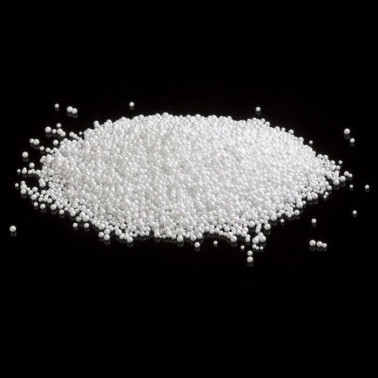
EPS balls (expanded polystyrene) are the most popular and commonly used filling option for beanbags. At Italpouf, we focus on this type of filling due to its reliability and versatility. EPS balls are lightweight, comfortable, and offer a range of additional benefits.
EPS balls also provide better thermal insulation, which can help keep you warm during cooler months. This material is hypoallergenic, making it an excellent choice for allergy sufferers and those with sensitive skin.
Memory Foam
Shredded memory foam is a popular option for those seeking a more luxurious feel. Memory foam conforms to the shape of the body and offers excellent support, making it a comfortable choice for longer periods of sitting. This type of filling will be particularly appreciated by individuals with back problems or those needing ergonomic support while working or relaxing.
Memory foam can be more expensive than other fillings and may require more frequent replenishment to maintain its shape. It is also heavier than EPS balls, which can make moving the beanbag more difficult. On the other hand, it offers unmatched comfort and lasting support for the body.
Polyurethane Foam
Polyurethane foam is another option that offers a similar feel to memory foam but at a slightly lower price point. It provides good support and comfort but may not retain its shape as long as memory foam. It is a compromise between price and quality – an ideal solution for those looking for something between basic granules and luxurious memory foam.
Polyurethane foam features good elasticity and average durability. It is worth noting that over time, it may lose its resilience, requiring periodic replenishment of the filling.
Natural Fillings
Natural fillings such as buckwheat husks, millet husks, or even dried beans can be used. These options have a more organic feel, but they may not offer the same level of support and durability as synthetic fillings. Natural fillings work well in smaller beanbags or relaxation cushions.
It is important to keep in mind that natural fillings can attract moisture and require special care to be stored in dry conditions. They are also heavier than synthetic granules and may degrade biologically over time, necessitating a complete replacement.
Hybrid and Mixed Fillings
Hybrid fillings, which combine different types of materials, are becoming increasingly popular. For example, you may find beanbags with a mix of EPS granules and shredded foam, which provides a combination of lightness and flexibility with better support. Such solutions are used in professional office or medical beanbags.
Comparison Table of Beanbag Fillings
| Type of Filling | Advantages | Disadvantages | Price Level | Durability | For Whom |
|---|---|---|---|---|---|
| EPS Granules | Lightweight, hypoallergenic, insulating, easy to replenish | Requires periodic topping up, can be noisy | Low | Volume restored by topping up | Universal – children, adults, office |
| Memory Foam | Excellent support, ergonomic, luxurious, conforms to the body | Expensive, heavy, may be too firm for some | High | Medium to high | Adults, individuals with back issues, premium office |
| Polyurethane Foam | Good comfort, affordable price, average weight | Average durability, loss of resilience over time | Medium | Medium | Adults, occasional use |
| Natural (Husks, Grains) | Organic feel | Heavy, require dry storage, short lifespan | Medium | Low | Eco-enthusiasts, small beanbags, cushions |
| Hybrids (Mixtures) | Combines the benefits of different materials, customisation options | Higher price, harder to find | Medium to high | High | Demanding users, offices, hotels |
How to Recognise Quality EPS Granules?
Not all expanded polystyrene granules are created equal. There are various quality grades available on the market that significantly affect the comfort and durability of your beanbag. We recommend paying attention to several key features that distinguish the best granules:
- Ball Size: The optimal granule for beanbags has a diameter of 3-5 mm. Balls that are too small compress quickly, while those that are too large do not conform properly to the body.
- Uniformity: High-quality granules feature uniformly sized balls. Avoid products with a lot of polystyrene dust or broken balls.
- Colour: A clean, white colour indicates fresh, unused material. Yellowish or grey balls may come from recycling or have been stored in poor conditions.
- Resilience: Good granules feel springy to the touch. You can test this by squeezing a few balls in your hand.
- No Odour: High-quality EPS granules are completely odourless. Any chemical smells may indicate low-quality material.
- Certifications: At Italpouf, we use only granules with EU certifications that meet safety and anti-allergy standards.
Factors to Consider When Choosing Beanbag Filling
There are several factors to consider when choosing the right filling for your beanbag. These include:
- Comfort: This is probably the most important factor, as the primary purpose of a beanbag is to provide comfortable seating. Consider the type of filling that will best conform to your body shape and provide the desired level of support. Memory foam and EPS balls are often regarded as the most comfortable options.
- Durability: Durable filling will retain its shape and support over time, ensuring that your beanbag remains comfortable and functional. EPS balls are easy to top up, so volume and comfort can be restored whenever the filling settles.
- Allergies: If you or someone in your household has allergies, it is important to choose hypoallergenic filling. EPS polystyrene balls are generally considered hypoallergenic, while natural fillings may not be suitable for allergy sufferers.
- Price: Your budget will play a role in your decision, as some fillings are more expensive than others. Polystyrene balls are typically the most affordable option, while memory foam and natural fillings are usually pricier.
- Intended Use: Consider who will be using the beanbag and under what conditions. For children, lightweight EPS granules are best.
- Ease of Replenishment: EPS granules are the easiest to top up on your own, while foam requires a more specialised approach.
How to Determine the Right Amount of Filling for a Beanbag?
The amount of filling needed for a beanbag depends on the size of the product and the desired level of firmness. At Italpouf, we use proven ratios that guarantee optimal comfort. As a general guideline, the following amounts can be applied:
- Small beanbags (L): 200-250 litres of filling.
- Medium beanbags (XL): 280-320 litres of filling.
- Large beanbags (XXL): around 390 litres of filling.
Please note that the above recommendations are approximate and may vary depending on the specific design of the beanbag and the type of filling chosen. It is always worth checking the manufacturer's guidelines for the specific model of beanbag.
It is worth knowing that a slightly underfilled bag will be more flexible and "hugging," while a heavily filled bag will provide a more stable, structured seat. We recommend experimenting with the amount of filling to find your ideal comfort level.
Replenishing Your Beanbag: When and How to Do It
Over time, the filling of a beanbag may deteriorate, lose its shape, and become less supportive. In the case of EPS granules, this process occurs slowly – the balls gradually compress with use. When this happens, it’s time to replenish your beanbag. Here are some signs that it’s time to refill your beanbag:
- The beanbag feels flat or deflated when you sit on it.
- The filling has become clumpy or unevenly distributed.
- The beanbag no longer conforms to the shape of your body or provides adequate support.
- You can feel hard elements or "holes" in the structure of the bag.
- The beanbag has lost height and is noticeably smaller than when purchased.
To refill your beanbag, follow these steps:
- Locate the zipper or opening on the cover of your beanbag.
- Carefully open the cover. It’s best to do this over a large cardboard box or in a plastic bag to avoid scattering balls around the room. This way, the filling stays inside while you add more.
- Gradually add new filling to the beanbag, spreading it evenly throughout the bag. It’s best to do this in small portions, as overfilling can make the bag too firm and uncomfortable. We recommend adding about 50-100 litres and testing the comfort.
- Once you reach the desired firmness, zip the cover back up. Make sure the zipper is securely fastened.
- Remember to clean up any spilled filling (granule balls tend to become statically charged and "stick" to surfaces) and store any leftovers in a cool, dry place for future use.
Need a top-up? Our EPS bean bag filling comes in 50, 100, 200 and 400-litre bags.
Accessories for Filling Beanbags
In addition to the filling for your beanbag, there are several accessories that can enhance the comfort and functionality of the chair and make the replenishment process easier. These include:
- Inner Covers: These are covers attached inside the beanbag into which you pour the filling, making it easier to remove and clean the outer cover. Most fabric beanbags come with an inner cover already attached.
- Beanbag Covers: Investing in a high-quality, durable cover can protect your beanbag from spills, stains, and wear. Look for covers made from materials such as polyester or cotton, which are easy to clean and maintain.
- Filling Funnel: A special funnel with a wide opening makes it significantly easier to add granules without scattering balls around the room. This is a small investment that saves a lot of time and hassle.
- Ziplock Bags for Storage: If you have leftover granules, store them in airtight bags, protected from moisture and contaminants.
Tips for Maintaining the Filling and Comfort of Your Beanbag
To keep your beanbag looking and feeling its best for many years, follow these simple maintenance tips:
- Regularly Replenish Your Beanbag: This helps redistribute the filling and maintain its shape. To fluff up the beanbag, simply lift it and shake it vigorously for about 30 seconds, then reshape it back. Do this at least once a week with heavy use.
- Clean the Cover as Needed: Most beanbag covers can be spot cleaned with a damp cloth and mild detergent. For a more thorough cleaning, check the care instructions on the specific cover, as some can be machine washed and dried (usually at 30-40°C).
- Store Your Beanbag Properly: If you need to store your beanbag for an extended period, empty the filling into a large plastic bag or container and store it in a cool, dry place. This will prevent damage from moisture and ensure that the filling stays fresh and ready to use when needed.
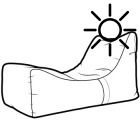
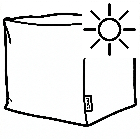
- Avoid Direct Sunlight: Prolonged exposure to UV rays can cause the colour of the cover to fade and degrade some types of fillings.
- Ventilation: Occasionally allow the beanbag to "breathe" in a well-ventilated area, especially if it is heavily used. This prevents moisture and odours from building up.
Frequently Asked Questions
Does EPS Granule Stick Together and Harden?
High-quality EPS granules do not stick together under normal usage conditions. The only issue may be excessive moisture – if the bag has been heavily soaked, it’s advisable to dry it in a ventilated area. At Italpouf, we use only certified granules. Regularly shaking the bag helps maintain the fluffy structure of the filling.
How to Refill Granules into a Beanbag Yourself?
Refilling granules is simple, though it requires caution. It’s best to do this in a spacious room, using a funnel or a "tube" made from a bottle. Open the zipper, insert the funnel, and slowly pour in the granules in small portions. After each addition, check the comfort by sitting on the bag. Remember, it’s better to underfill than to overfill – you can always add more later. It’s advisable to conduct the entire operation over a large box or plastic bag in case of any spills.
Is the Filling of a Beanbag Allergenic?
EPS granules are completely hypoallergenic and safe even for small children and allergy sufferers. This material does not absorb dust, mites, or moisture, making it one of the safest fillings on the market. Memory foam is also hypoallergenic, although it may retain a bit more dust in its structure. Natural fillings (husks, grains) may not be suitable for those with allergies.
Ready to choose your bean bag? Browse the full range of bean bag chairs — XXL, kids and gaming sizes, most with machine-washable covers, and free delivery on orders from €85.