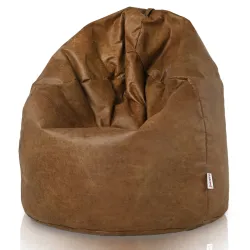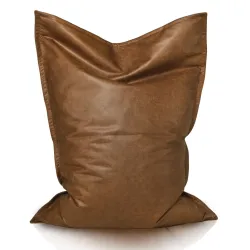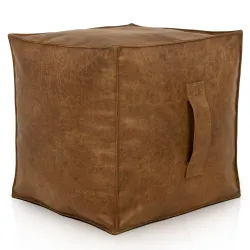

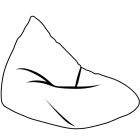
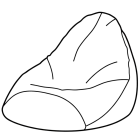
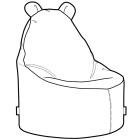
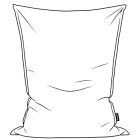
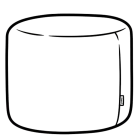
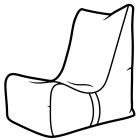
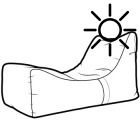
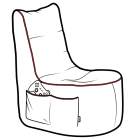

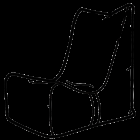
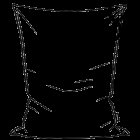

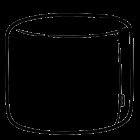


Furniture with leather upholstery is synonymous with elegance and luxury – even if it has a modern form, like the natural leather beanbag, or a simple one – like ordinary poufs. We value leather as the noblest of all upholstery materials – not only for the uniqueness of each piece but also for its flexibility and pleasant tactile sensations.
However, we must remember that natural leather needs to be properly cared for and cleaned to maintain its properties. In this guide, we will show you step by step how to care for natural leather and faux leather, what mistakes to avoid, and how to deal with stubborn stains.
Leather Upholstery – Elegant and Demanding
Leather wears out over time, like any material. However, if you take care of it, you can significantly extend its lifespan, and your furniture will retain its good appearance for longer. Regular maintenance is the key to success – neglected leather loses its elasticity, can crack, fade, and lose its characteristic shine.
Types of Leather in Furniture – What Should You Remember?
First of all, that there are different types of leather used in upholstery, and consequently, slightly different care methods.
The most challenging are upholstery made from suede and nubuck – uncoated and easily absorb water. If you suspect that your furniture will be very exposed to dirt and stains, consider purchasing upholstered furniture made from top-grain leather. While maintaining an elegant appearance, they are also much easier to keep clean.
This is especially true for furniture such as leather beanbags or leather poufs, which we often place under our feet while sitting on a sofa or armchair.
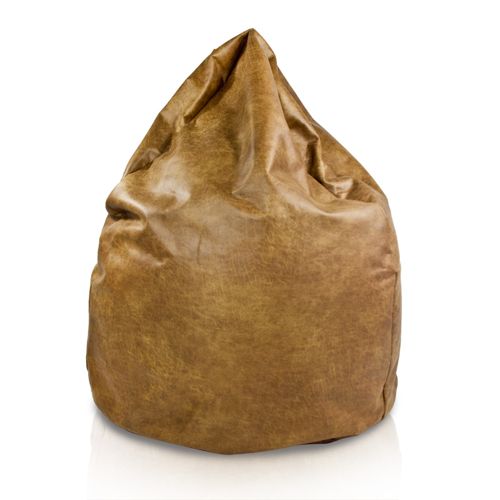
How to Clean Natural Leather Step by Step
Furniture made from smooth, lacquered leather, also known as top-grain leather, is not difficult to care for and keep clean. However, consistency is key. Below we present a proven five-step process for cleaning natural leather:
Step 1: Regular Dusting
Leather armchairs, sofas, and poufs should be regularly dusted. At least once a week, preferably using a vacuum cleaner attachment with a soft brush. If you don’t have one, you can use a special dust-attracting furniture cloth.
Dust should be removed especially from creases and indentations between the seat and the backrest and arms. In the case of natural leather beanbags, pay special attention to the seams and the area around the zipper – that’s where the most dirt accumulates.
Step 2: Preparing the Cleaning Solution
Add a few drops of mild liquid soap or body wash to a bowl of warm (not hot!) water. Avoid aggressive cleaning liquids, such as dishwashing liquids or all-purpose cleaners – they can dry out the leather and damage its natural protective layer. Regular liquid soaps or glycerin soaps work excellently for cleaning leather.
Step 3: Gentle Surface Cleaning
Dirt from lacquered natural leather can be easily removed with a cloth – preferably a soft, cotton cloth dampened with the prepared solution and well wrung out. The cloth should be damp, but not wet – excess water can penetrate the leather and cause discolouration.
Wipe the leather with gentle, circular motions. Do not scrub or press too hard. There are also cloths specifically designed for cleaning leather, soaked in a conditioning agent – however, it’s worth testing them in a less visible area before using them regularly.
Step 4: Drying
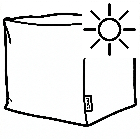
After washing, immediately wipe the leather with a dry, clean microfiber or cotton cloth. Do not leave the surface wet – stains and streaks may form. Do not dry the leather with a hairdryer or expose it to direct sunlight or a heater – rapid drying can lead to cracking and hardening of the material.
Step 5: Polishing (Optional)
After drying, you can wipe the leather with a dry, soft cloth to restore its natural shine. Gentle polishing makes the surface regain its characteristic noble sheen.
How to Clean Faux Leather Step by Step
Faux leather, although a synthetic material, also requires regular care. However, it has certain advantages – it is more resistant to moisture and usually easier to clean than natural leather. Here is a four-step process for cleaning faux leather:
Step 1: Dust Removal
Similar to natural leather, we start with gentle dusting or wiping with a dry cloth. Faux leather may be slightly more prone to scratches, so avoid brushes with hard bristles.
Step 2: Cleaning with a Damp Cloth
Faux leather can be cleaned with a regular damp cloth – often even without the addition of cleaning agents. For larger stains, use mild liquid soap diluted in water. Faux leather is less sensitive to moisture than natural leather, but still avoid excessive soaking.
Step 3: Thorough Wiping
After washing, thoroughly wipe the surface with a dry cloth. Faux leather dries quickly, but left streaks can create difficult-to-remove stains.
Step 4: Maintenance (Every Few Months)
Faux leather does not require as intensive maintenance as natural leather, but it is worth applying special products for faux leather every 3-4 months to prevent it from drying out and cracking. You can also use a small amount of oil or a special softening agent – apply a thin layer and spread it with a soft cloth.
What Absolutely NOT to Use When Cleaning Leather
Just as important as knowing what to clean leather with is knowing what to avoid. Here is a list of products and practices that can irreversibly damage your leather furniture:
- Bleaches and chlorine-containing agents – destroy the structure of the leather and cause discolouration
- Solvents and acetone – dissolve the protective coating of leather and faux leather
- Aggressive detergents and all-purpose liquids – dry out the leather and remove its natural oils
- Essential oils in high concentrations – can leave difficult-to-remove stains
- Hard brushes and scrubbing sponges – scratch the surface and damage the lacquer
- Wet cloths – excess water penetrates the leather structure causing deformation
- Hot water – can damage dyes and the protective coating
- Hairdryers and heaters – rapid drying leads to cracking
- Alcohol-based products – degrease the leather and can cause colour fading
- Wood furniture waxes – leave a greasy layer and can change colour
How to Remove Difficult Stains from Leather
Even with the best care, sometimes accidents happen, such as spilling coffee, wine, or other unpleasant situations. Here are proven methods for the most common types of stains:
Coffee and Tea Stains
Act immediately – blot the stain with a paper towel, gently pressing it against the surface (do not rub!). Then wipe the area with a damp cloth with a small amount of soap. If the stain has dried, you can use a special leather stain remover or a solution of apple cider vinegar (1 part vinegar to 2 parts water) – always test first in an inconspicuous area.
Red Wine Stains
Speed of action is crucial. Blot immediately with a dry cloth, then sprinkle the area with baking soda or diatomaceous earth – these substances will absorb the liquid. After 10-15 minutes, vacuum and wipe with a damp cloth. This method works excellently for fresh stains. For older stains, it’s best to use a professional leather stain remover.
Ink and Pen Marks
This is one of the most difficult stains to remove. On lacquered natural leather, you can try gently rubbing the stain with a cotton pad dampened with a small amount of 70% isopropyl alcohol. Act gently and quickly – the ink may smear. After removing the stain, immediately rinse the area with soapy water and condition it. On faux leather, instead of alcohol, a cleansing milk based on oils works better.
Greasy Stains (Oil, Butter, Cream)
Sprinkle the stain with cornstarch, talcum powder, or baking soda – these substances will absorb the grease. Leave for a few hours, preferably overnight, then vacuum and wipe with a damp cloth. If the stain has penetrated deeply, it may be necessary to use a professional leather degreaser.
Unknown or Old Stains
In the case of stains of unknown origin, or those that have dried and penetrated, it is best to consult a professional. At Italpouf, we are always happy to advise on what methods to use in specific cases – it’s worth asking before experimenting.
Leather Maintenance – Why is it Essential?
At least once every six months, natural leather on furniture should be treated with a special product – in this case, for smooth leather. Regular maintenance:
- Replenishes the natural oils in the leather, preventing it from drying out
- Creates an additional protective layer against dirt
- Restores elasticity and prevents cracking
- Refreshes colour and adds shine
- Significantly extends the lifespan of the furniture
Some people use regular Nivea cream in a blue tin for this purpose. Although it leaves a greasy, white layer immediately after application, after absorption and wiping with a dry cloth, the leather looks like new. This home remedy has been used by leather enthusiasts for years, but it should be noted that it may not be suitable for all types of leather.
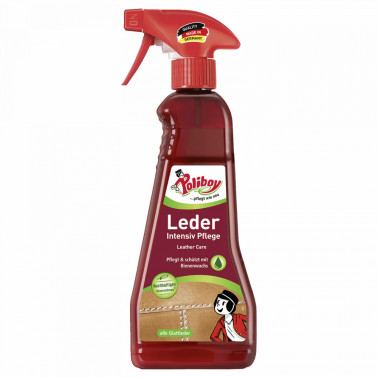
Unfortunately, none of the leather furniture manufacturers officially recommend this home remedy, so it’s wise to be cautious and always test in an inconspicuous area. At Italpouf, we recommend using professional leather conditioners – available in upholstery supply stores and specialist household chemical points. Choose a product dedicated to top-grain leather, preferably colourless or in a shade matching your furniture.
How to Apply Conditioning Balm?
Before conditioning, thoroughly clean the furniture according to the instructions described above. Apply a small amount of balm to a soft, clean cloth (not directly on the leather) and gently spread it in circular motions. Do not apply too much product – a thin layer is more effective than a thick one. After application, leave it to absorb (usually 20-30 minutes), then polish with a dry cloth. Your leather pouf or beanbag will regain its vibrant colour and velvety softness.
Additional Care Tips
When we take care of natural leather furniture according to the above principles, we will certainly enjoy their elegant appearance and comfort for a long time. Also, remember a few universal rules:
- Do not place leather furniture in direct sunlight – UV rays cause fading and drying
- Keep leather furniture away from heat sources (radiators, fireplaces)
- Maintain appropriate humidity in the room (40-60%) – excessively dry air dries out the leather
- Regularly change the position of cushions and sit in different places to evenly distribute wear
- Protect the leather from children and pets – sharp objects can easily scratch it
Frequently Asked Questions
Can leather or faux leather covers be washed?
We definitely do not recommend washing natural leather covers in a washing machine – water, detergents, and mechanical action can irreversibly damage the material, causing shrinkage, hardening, and cracking. Faux leather is also not suitable for washing in a machine, although it is slightly more resistant. In the case of heavy stains, it is best to use professional dry cleaning services specialising in leather cleaning. Always clean leather and faux leather only with the spot-cleaning methods described in this guide.
What to do if I spill a large amount of liquid on my leather beanbag?
Speed of reaction is crucial. Immediately blot the surface with an absorbent towel or cloth – do not rub, just press to absorb as much liquid as possible. Then place the furniture in a well-ventilated area (but not in sunlight or near a heater) and allow it to dry naturally. After it has completely dried, assess the condition of the leather – if the material has hardened or discolouration has appeared, apply conditioning balm. In the case of a spill involving a large amount of liquid containing sugar (e.g., juice, fizzy drinks), additional cleaning with a soapy water solution will be necessary to remove the sticky substance.
What cleaning products for leather are worth buying?
We recommend investing in a few basic products: a professional leather cleaning liquid/foam (brands such as Leather Master, Colourlock, Furniture Clinic work well), a conditioning balm for smooth leather (choose colourless or in the colour of your furniture), and a special stain remover for leather. It’s also worth having soft microfiber cloths – regular ones may leave fine fibres. Always test all products first in an inconspicuous area. At Italpouf, we are happy to advise on specific products tailored to the type of leather of your furniture.
How often should leather furniture be cleaned?
Dusting or wiping should occur at least once a week, especially for heavily used furniture. Thorough cleaning with a damp cloth is recommended once a month or more often if you notice dirt. Conditioning with balm should be done every 3-6 months, depending on the intensity of use – furniture used daily requires more frequent care. Consistency is key to maintaining the beauty of leather.
Is natural leather more difficult to care for than faux leather?
Natural leather requires a bit more attention and regular maintenance, but if properly cared for, it ages well, acquiring a noble patina over time. Faux leather is simpler to clean daily and more resistant to moisture, but it also needs regular care. The choice depends on your lifestyle, budget, and preferences. At Italpouf, we offer both options, always advising on the best solution for specific needs.

_1.jpg)
.jpg)