





(158)
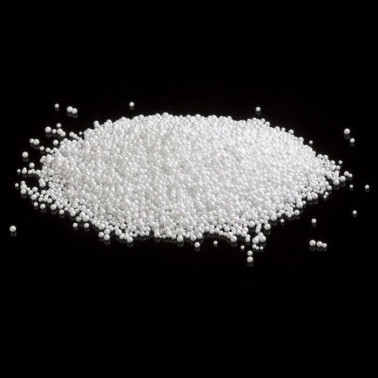
Bean Bag Refill EPS Beads
Litres: 50l
€21.19
We use cookies to run our store and — with your consent — for analytics and marketing. Essential cookies are always on; you can accept, reject or customise the rest. Privacy Policy
Bean bag filling plays a decisive role in shaping the comfort, durability, and long-term usability of your leisure seating. Whether you're looking to refill a favorite bean bag chair, refresh the structure of a lounger, or find the best bean bag for your home, understanding available options helps guarantee years of relaxing comfort. From compact beanbags for children to expansive loungers for adults, the type of bean bag filler you choose will affect ergonomics, resilience, and daily enjoyment. The right filling means your seat will remain supportive, inviting, and lightweight for easy movement, transforming any space into a haven of flexible relaxation.
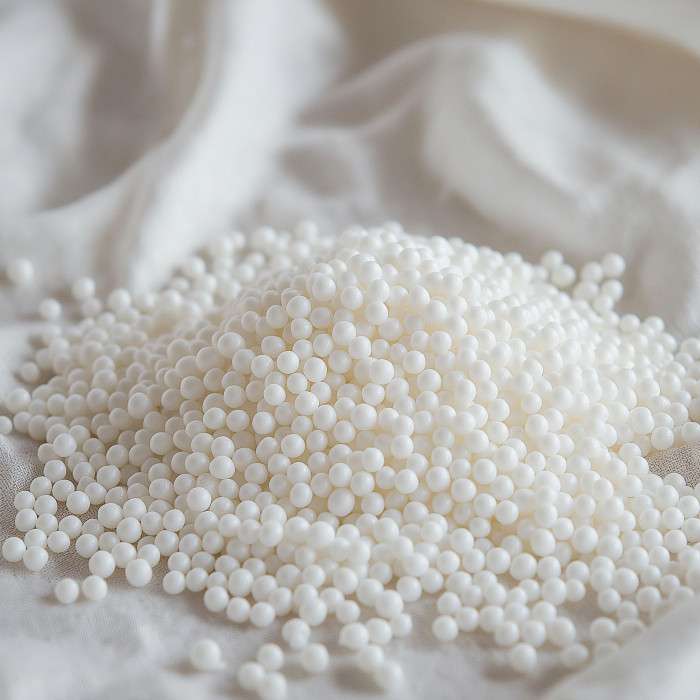
Bean bag filling consists of small, springy beads of expanded polystyrene (EPS) that give bean bags and cushions their shape and comfort. The beads mould to the sitter's body and bounce back with every movement. When a bean bag flattens after years of use, adding fresh beads brings back its original firmness.
Discovering the optimal bean bag filling means reviewing the main fillers and materials that deliver unique support and sensations:
Selecting the best bean bag filler comes down to considering your main priorities—whether it’s portability, cushioning, or maximum support. EPS polystyrene beads are adaptable and lightweight, perfect for children’s beanbags, while foam filling or shredded foam better suits adults needing luxurious comfort and support. Microbead or organic fill works for smaller cushions or when seeking hypoallergenic qualities. It’s also important to weigh how frequently you’ll want to refill the seat, as different beads compress differently. The ease of pouring in a fresh bean refill or using an adjustable zipper makes maintenance simple, while letting you customize firmness as needs change. For more on safe and sturdy fillings for active families, visit our bean bag chairs and living room collections.
| Filling Type | Weight | Comfort | Durability |
|---|---|---|---|
| EPS Beads | Light | Good | Moderate |
| Memory Foam | Heavy | Excellent | High |
| Microbeads | Light | Moderate | Low |
| EPP Beads | Moderate | Good | Very High |
| Organic Fill | Varies | Good | Moderate |
EPS beads—also known as polystyrene granulate or bean bag beads—are highly valued as a bean bag filling thanks to their lightweight feel, moisture resistance, and adaptive flexibility. This filler is not only non-toxic and safety-tested, but also makes refilling simple and eco-friendly due to easy recycling and reuse. Polystyrene beans for bean bags retain fluffiness over time, and any natural compression can be reversed with an occasional bean bag refill or topping up, ensuring your seat remains inviting. At Italpouf, a European manufacturer, we’re dedicated to offering premium EPS beads for all types of beanbag applications, from refill for bean bag chairs and giant loungers to creative crafts and custom cushions. Enhance your furniture performance and longevity while discovering exclusive bean bag care products to keep your seat pristine. Choose Italpouf for trusted quality and experience why customers across Europe rely on our polystyrene beans for bean bags.
Whether you want to fill a bean bag completely or create the perfect firmness for a craft cushion, our selection covers all your needs. From small poufs and kids’ seats to large reading chairs, the right filler provides lasting comfort and versatility. Don’t miss our inspiration in bean bag sofas or for outdoor bean bags when reshaping your interior or terrace space.
Italpouf’s bean bag collection is designed for everyone—toddlers, teens, and adults alike. Bean bags for kids utilize lightweight polystyrene beads, making them easy to carry, adjust, and safe for household use. Larger adult seats and loungers require more robust bean bag fill to provide supportive relaxation, ensuring long-lasting comfort during movie nights or reading sessions. Each model includes secure zipper closures and reinforced seams, protecting the filler beads inside while allowing straightforward refilling as your needs evolve. With materials chosen for their safety and resilience, these bean bag chairs suit bedrooms, playrooms, and flexible living spaces. The ability to add or remove bean bag filling makes it simple to customize firmness or adapt a seat as family members grow. Discover more inspiration for versatile home furniture in our youth room and gaming bean bags sections, or browse our accessories for clever seating and storage solutions.
If you already have bean bag stuffing or want to create your own filling composition, Italpouf offers a stylish selection of covers without any bean bag filler included. This lets you breathe new life into an existing beanbag chair by adding a cover crafted from durable, easy-to-clean fabric. Whether you desire a more supportive cushion or a plush pillow feel, separately sold covers make it easy to control your seat’s firmness and invite creativity in matching covers to your décor. Removable zippered designs streamline washing and maintenance, ensuring freshness even with frequent use. This also works well for dog beds, floor poufs, or custom seats in gaming areas—giving you flexibility for both aesthetics and filling density. See our full range of replacement covers and bean bags for kids to personalize your furniture and create uniquely comfortable spaces.
The materials used for your bean bag cover are crucial for both comfort and practicality. Soft-touch fabrics provide a cozy surface, while more durable options withstand everyday wear and are easy to care for in active homes. Stain-resistant finishes make maintenance simple, and tough outer layers hold up against wear-and-tear from kids and pets. The blend of tactile softness and easy-clean practicality protects the bean bag filling within, extending the lifespan of your furniture. Opt for breathable fabrics for pleasant lounging on hot days, or go with more robust weaves for high-traffic areas of the home. Every Italpouf bean bag cover is made with quality and detail in mind—so whether you need a versatile pouf for crafts or a designer seat for your living room, the combination of craftsmanship and proper filling will keep your space stylish and inviting. Complement your seat with options from small furniture, decorative cushions, or home office accessories for a harmonized look throughout your interiors.
Bean bag filling is ideal for a wide array of users: families with children needing safe, lightweight and movable seating; adults seeking ergonomic and flexible lounge furniture for living rooms and home offices; or those redesigning youth rooms where adaptation is key. It's especially suited for spaces needing modular seats—such as small living areas or versatile playrooms. Whether you want to fill a bean bag chair for reading, gaming, or relaxation, the right filler adapts to users of all ages and decoration styles.
Bean bag filling, especially made from EPS or microbeads, may not be ideal for those seeking ultra-firm seating or orthopedic support. Seniors or persons needing structured, upright sitting often fare better with classic armchairs or furniture with rigid frames. Additionally, anyone with allergies to synthetic materials should consider beanbags filled with natural buckwheat hulls or opt for textile-based alternatives like ottomans or footstools for maximum comfort and health.
The price of bean bag filling varies based on supply type (EPS beads, memory foam, organic), cover materials, and the bean bag's overall size. Budget options usually use standard polystyrene beads, while premium foam filling or natural hulls elevate the price into higher tiers. Design, brand reputation, and the use of safety-certified, non-toxic materials are additional price factors. Across our collection, you’ll find affordable solutions and premium upgrades for every need.
The best time to purchase bean bag filling is typically ahead of seasonal room makeovers—in early spring or autumn, prior to holidays or the start of a new school year when creating or refreshing kid-friendly spaces. Many customers also take advantage of special offers during Black Week in November or mid-year clearance sales to stock up on filler or covers for multiple rooms and purposes.
Bean bag filling (EPS beads or microbeads) excels in flexibility and adjustability, perfect for informal, adaptable seating. In contrast, foam filling or structured armchairs provide firmer, more supportive posture seating with less mobility but are heavier and less versatile. Choose classic bean bag fill if you value lightness, modularity, and ease of refill; go for foam filling or sturdy chairs if you need maximum support or prefer less frequent reshaping.
Most bean bag chairs will require topping up the filling after sustained daily use, as beads can compress naturally over time. Depending on frequency of use and bead type, refreshing your filler every 6-18 months keeps your seat firm and supportive. If the bag feels soft or loses its shape, it’s time for a bean bag refill—simply unzip the cover and add extra filling for renewed comfort.
Yes, Italpouf’s bean bag filling is made from safety-tested, non-toxic materials and includes secure zipper closures to prevent accidental access by children or pets. Our EPS beads are moisture-resistant and resistant to mold, making them ideal for home environments. Always supervise very young children around unzipped beanbags or loose beads, and maintain furniture according to included instructions. For extra safety, explore covers with child-proof zippers and reinforced seams.