



Discover the health benefits of beanbags: Enhancing comfort and well-being
Introduction to the beanbag
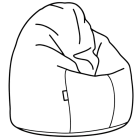
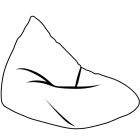
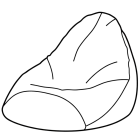
Beanbags have been around for a long time, but they have recently gained popularity due to their numerous health benefits. Beanbags are versatile, stylish, and comfortable seating options that can be used in various places, from homes and offices to schools and healthcare facilities. The unique design and filling materials of the beanbag provide users with unparalleled comfort, support, and durability.
Initially, beanbags were considered a casual and fun seating option, but they have now become an essential piece of furniture promoting relaxation, comfort, and overall well-being. Beanbags can be made from various materials, including eco-leather, velvet, and nylon, and filled with different materials such as polystyrene beads, memory foam, and even natural fillings. With so many options available, everyone can find a beanbag chair that suits their preferences and needs.
In this guide, we will delve into the ergonomic design of the beanbag, the numerous health benefits they offer, and how to choose the best beanbag for your needs. So sit back, relax, and let’s explore the world of beanbag chairs and their amazing health benefits!
Ergonomic design of the beanbag
The ergonomic design of the beanbag is one of its greatest features and sets it apart from traditional seating options. Beanbags are designed to conform to the shape of the body, providing optimal support and comfort. This unique design allows the beanbag to evenly distribute body weight, reducing pressure on the spine, joints, and muscles.
Conventional chairs often have a rigid structure that forces your body to adapt to their shape. This can lead to poor posture, discomfort, and over time even health problems. The beanbag adapts to the shape of the body, allowing for a more natural sitting position and better spinal alignment. This makes beanbags suitable for people of all ages, body types, and health conditions.
Moreover, beanbags are lightweight and easy to move, making them a practical choice for those who like to change their seating location frequently. They are also available in various sizes, shapes, and designs, allowing you to find a beanbag that perfectly fits your home or workplace.
How the beanbag supports the spine in adults – medical aspects
An adult's spine is subjected to numerous stresses – particularly in the case of sedentary work, prolonged standing, or carrying heavy loads. Traditional office chairs often force one static position, leading to overload in the lumbar and cervical regions. The beanbag works quite differently: its filling – most often polystyrene beads or granules – responds to every movement of the body, creating a dynamic, “living” support.
In practice, this means that the spine is not forced into one posture – instead, you can freely change positions, and the beanbag automatically adjusts to the natural curves: lumbar and cervical lordosis and thoracic kyphosis. This is crucial for individuals with discopathy, chronic lower back pain, or lumbosacral syndrome. Physiotherapists increasingly recommend beanbags as a part of home therapy – especially during the recovery phase after spinal injuries or as support for daily muscle relaxation around the spine.
It is also worth noting that sitting on a beanbag engages deep stabilising muscles – the same ones that work during exercises on a rehabilitation ball. Therefore, the beanbag is not only comfortable but also an active training tool for proprioception and balance.
Health benefits of using a beanbag
There are many health benefits associated with using beanbags, making them an excellent investment for well-being. These benefits go beyond mere comfort and encompass various aspects of your physical and mental health. Some of the most significant health benefits of using beanbags include:
Reducing back pain with beanbags
Back pain is a common problem affecting millions of people worldwide. Many factors can contribute to back pain, such as poor posture, prolonged sitting, and inadequate lumbar support from traditional seating. Beanbags provide a solution to these problems, offering exceptional support for the back and spine.
The ergonomic shape of the beanbag allows it to conform to the body shape, keeping the spine in a neutral position. This helps reduce pressure on the discs and muscles of the spine, decreasing the risk of back pain. Additionally, beanbags provide even weight distribution, minimising strain on the lower back and hips. At Italpouf, we prioritise high-quality fillings that maintain their elasticity for years – ensuring your spine always has the right support.
Supporting proper posture with beanbags
Maintaining proper posture is essential for overall health, as it helps prevent various musculoskeletal problems, such as back, neck, and joint pain. Beanbag chairs promote proper posture by conforming to the body shape and providing optimal support for the spine and muscles.
When sitting on a beanbag, body weight is evenly distributed, promoting a more natural sitting position. This encourages proper alignment of the spine, shoulders, and hips, leading to improved posture and reduced risk of posture-related health issues. Beanbags are particularly beneficial for those who spend long hours sitting at a desk or working on a computer, as they help minimise strain on the musculoskeletal system.
Facilitating relaxation and stress reduction
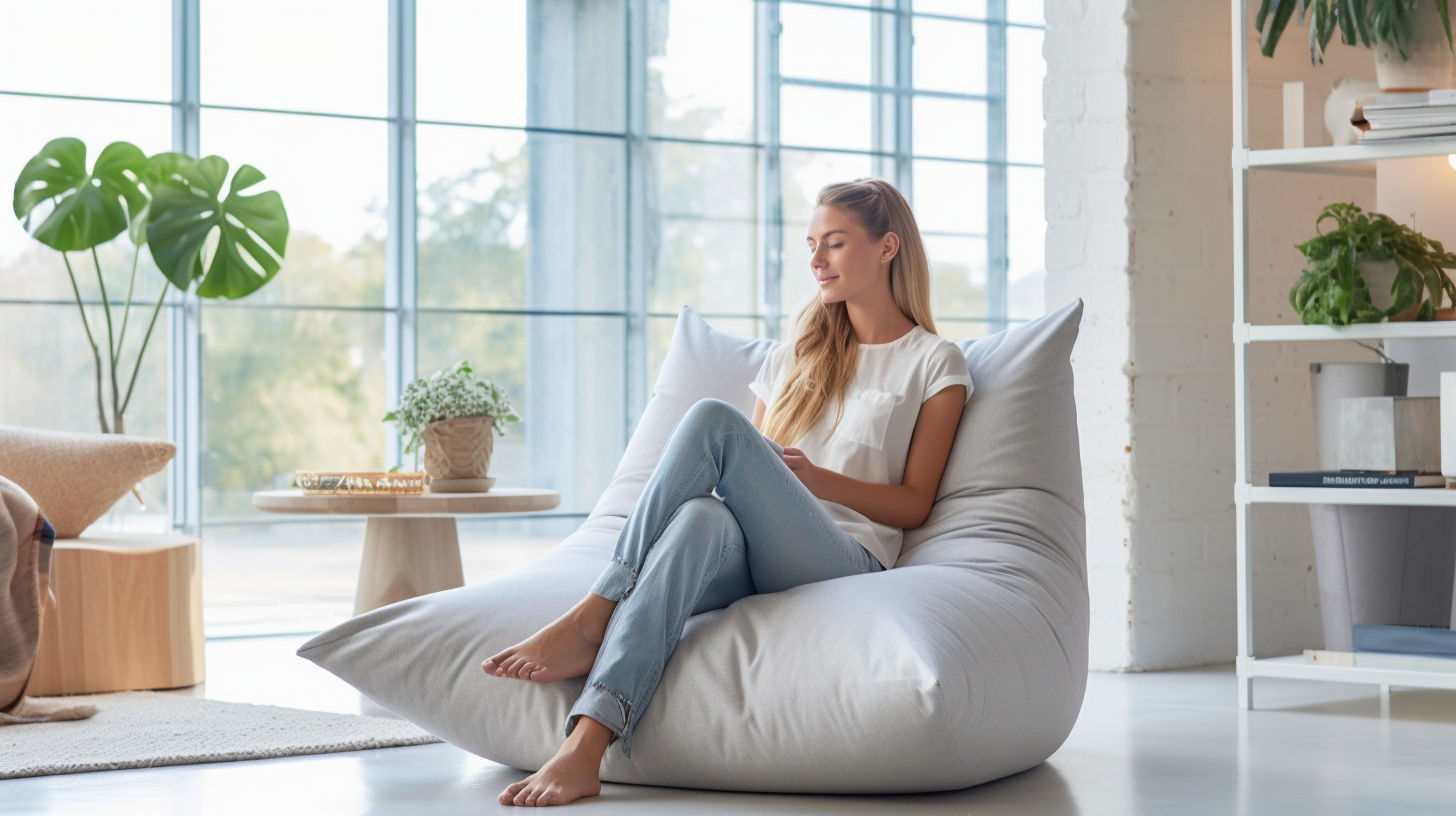
Beanbags are incredibly comfortable and cosy, making them ideal for relaxation and stress relief. The softness of the beanbags helps create a calming and soothing environment, allowing you to unwind and recharge after a long day.
When sitting on a beanbag, your body is fully supported, helping to release tension from muscles and joints. This, in turn, leads to reduced stress levels and improved overall well-being. Beanbag chairs are also perfect for practising mindfulness, meditation, and deep relaxation techniques, as they provide a comfortable and supportive space for these activities. We recommend models made from soft, natural fabrics – such as velvet or organic cotton – which further enhance the feeling of calm and coziness.
Beanbag and mental well-being
The benefits of the beanbag extend beyond physical health and also encompass mental well-being. As mentioned earlier, the beanbag is excellent for relaxation and stress relief, which are key factors in maintaining good mental health. The comfortable, supportive nature of beanbags helps create a soothing environment, which can be beneficial for individuals suffering from anxiety or depression.
Furthermore, beanbags can be used as part of a sensory room or sensory space, providing sensory input and stimulation for individuals with sensory processing disorders or on the autism spectrum. The soft texture of beanbags offers tactile experiences that can be both calming and stimulating, depending on the individual’s needs.
Beanbags for children – posture, concentration, and sensory development
Children are spending more and more time sitting – both at school and at home while doing homework or playing on the computer. Unfortunately, their spines are still in a growth phase, and poor posture can lead to scoliosis, kyphosis, or pathological lordosis. The beanbag provides excellent support for a child's developing musculoskeletal system.
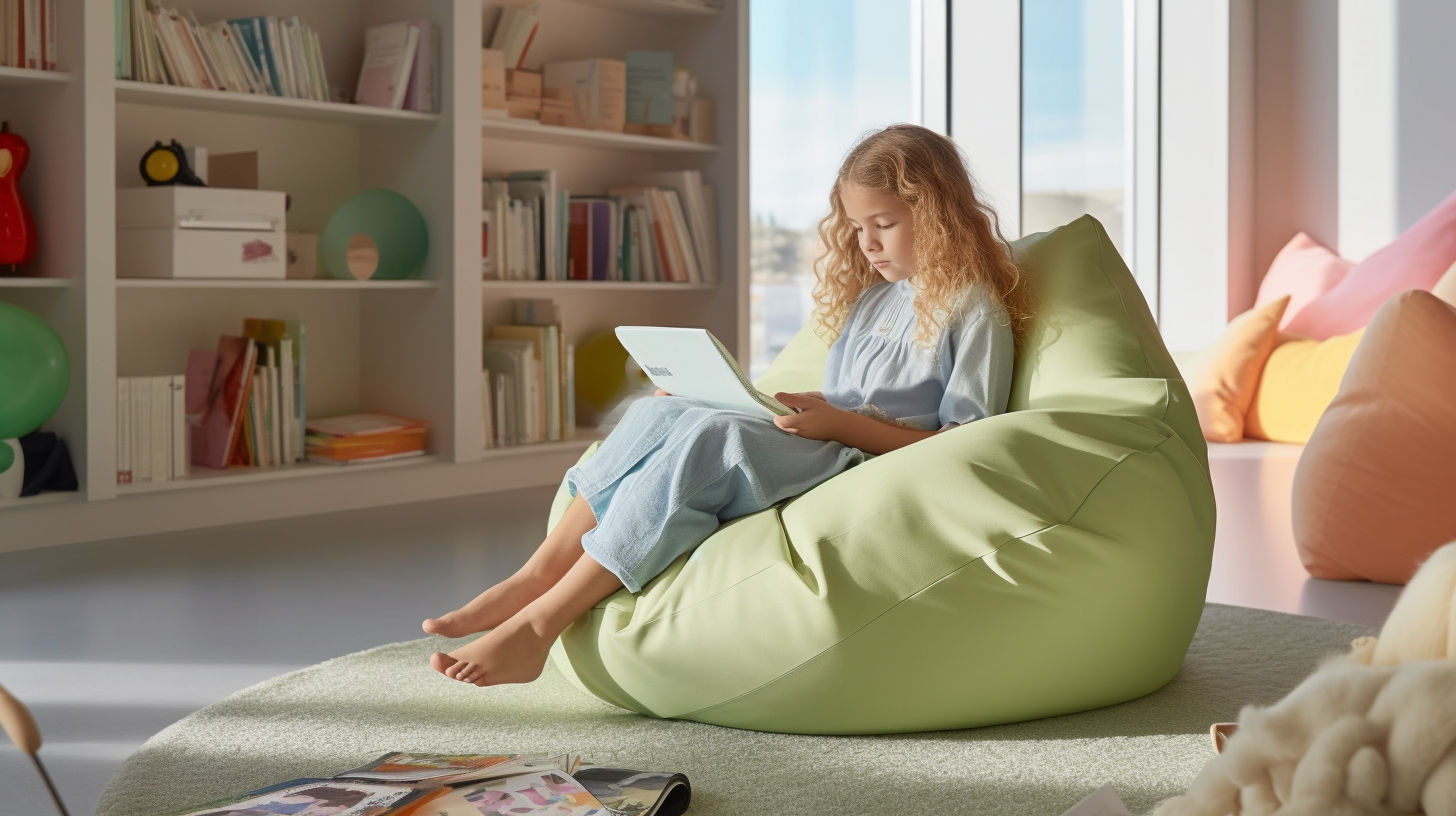
Above all, beanbags encourage a natural, relaxed posture – the child is not “crammed” into the rigid confines of a chair but can change positions, sit sideways, or lie on their stomach with a book. This teaches the body a variety of movement, which is crucial for proper motor development. Additionally, sitting on a beanbag activates postural muscles – the child must maintain balance, which aids coordination and proprioception.
It is also worth mentioning the sensory aspect: children with ADHD, autism, SPD (Sensory Processing Disorder), or simply hyperactive often need proprioceptive input and deep pressure to calm down. The beanbag – especially models with granules – provides this pressure in a natural and safe way. Parents report that after introducing a beanbag into their child's room, they notice improved concentration, less “fidgeting” during study time, and better sleep.
Benefits for seniors – safety, comfort, mobility
Older adults face many health challenges: joint pain (arthritis, degenerative disease), muscle weakness, balance problems, gout, and difficulties getting up from low chairs. Traditional furniture often does not meet their needs – it is either too hard, too low, or too deep.
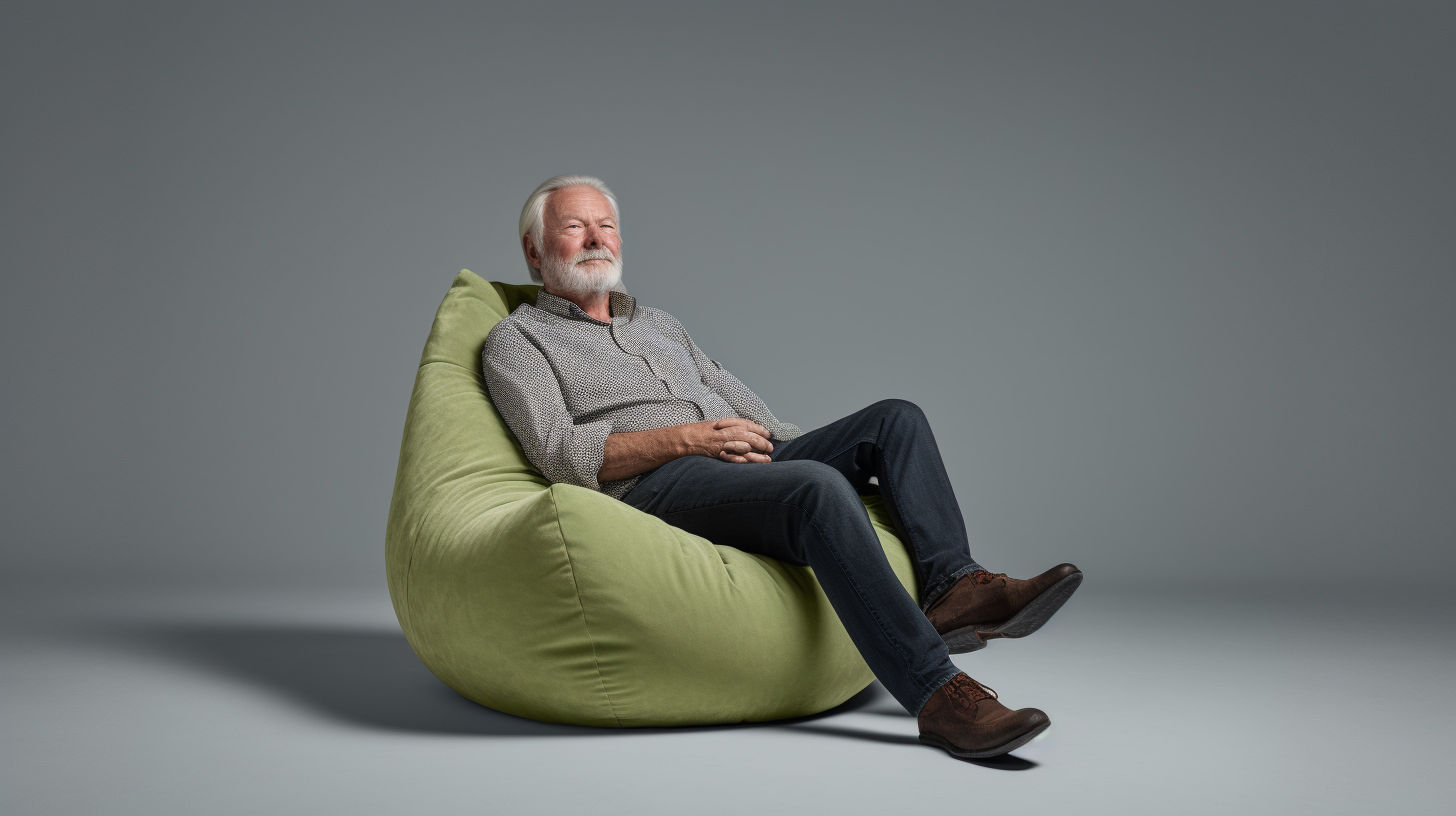
The beanbag – especially XXL models with higher backs or armchair styles – is an excellent alternative. The soft filling alleviates pressure on painful hip and knee joints, evenly distributing body weight. This allows seniors to sit comfortably without risking joint overload. Moreover, modern beanbags for seniors have reinforced fillings – denser and more stable – which makes it easier to get up. An older person does not “sink” into the beanbag but has solid, flexible support.
At Italpouf, we offer models with removable covers that can be machine washed – this is crucial for hygiene and ease of maintenance, especially in care homes or for individuals with limited mobility. Additionally, the lightweight design of the beanbag (compared to heavy upholstered chairs) allows for easy movement of the furniture – a senior or caregiver can effortlessly move the beanbag from the living room to the terrace or bedroom.
Beanbags for different age groups and health needs
Beanbags are suitable for people of all ages and various health needs, making them a universal and inclusive seating option. Here are a few examples of how the beanbag can meet the needs of different age and health groups:
Children and beanbags
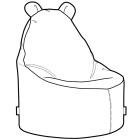
Beanbags are an excellent choice for children as they provide comfort and support that can adapt to their growing bodies. The soft texture of beanbags is also ideal for children with sensory processing disorders or autism spectrum conditions, as it offers tactile experiences that can be both calming and stimulating. A child can “sink” into the beanbag, providing a sense of security and comfort – particularly important during sensory overload or tantrums.
Pregnant women and beanbags
Pregnant women can benefit greatly from using beanbags, as they provide much-needed support for the back and hips. The ergonomic shape of beanbags also helps reduce pressure on the pelvic area, making them a comfortable seating option during pregnancy. Additionally, the beanbag can be used during childbirth and postpartum, as it provides support and a comfortable surface for various birthing positions. Many midwives and doulas recommend beanbags as part of natural childbirth – allowing for semi-sitting, kneeling, or lying on the side positions that facilitate labour progress and alleviate pain.
Seniors and beanbags
Beanbags can be an excellent addition to the homes of older adults, as they offer comfort, support, and ease of use. The soft, cushioning texture of beanbags helps reduce pressure on joints and muscles, decreasing the risk of age-related pains. Furthermore, beanbags are lightweight and easy to move, making them a practical choice for individuals with limited mobility. We particularly recommend models with non-slip covers – they prevent the beanbag from sliding and enhance user safety.
Individuals with health issues and beanbags
Beanbags can be beneficial for individuals suffering from various conditions, such as arthritis, fibromyalgia, or chronic pain. The ergonomic design of beanbags provides optimal support and comfort, helping to reduce pressure on joints and muscles and lower pain levels. Additionally, the beanbag can be used as part of therapy or rehabilitation programmes, offering a comfortable and supportive surface for various exercises and stretching. Physiotherapists use beanbags in therapy for individuals post-stroke, with cerebral palsy, or after orthopedic injuries – the soft structure reduces the risk of further injuries and encourages physical activity.
Beanbag vs. traditional chair – which is better for health?
When comparing a traditional chair to a beanbag, it is worth noting several key aspects: rigidity of construction, pressure distribution, ability to change positions, and impact on blood circulation. A classic chair – even an ergonomic one – has a predetermined shape that does not always correspond to individual anatomy. The beanbag, on the other hand, “learns” your body with each use, creating personalised support.
Another difference is mobility: in a chair, you are limited to one or a few positions. On a beanbag, you can sit, lie down, lean sideways, change positions every few minutes – and this is crucial for spinal health and circulation. A static position leads to lymph stagnation, leg swelling, and muscle stiffness. Dynamic sitting on a beanbag prevents these problems.
On the other hand, individuals with serious orthopedic issues (e.g., post-spinal surgery) may need a chair with precise, rigid lumbar support – in such cases, a medical chair would be a better choice during the acute phase. However, during the recovery phase and for everyday use, the beanbag serves as an excellent complement or even a substitute for a traditional chair.
| Aspect | Traditional Chair | Beanbag |
|---|---|---|
| Fit to body shape | Limited, one shape | 100% individual, dynamic |
| Mobility of position | Low (1-2 positions) | High (unlimited) |
| Impact on circulation | Risk of stagnation with prolonged sitting | Better circulation due to changing positions |
| Spinal support | Precise (if a good model) | Adaptive, natural |
| Ease of cleaning | Difficult (upholstery) | Easy (removable cover) |
| Price | High (good models 1500-5000 PLN) | Affordable (200-800 PLN) |
Hypoallergenic materials – what to choose for allergy sufferers and children
Individuals with allergies, asthma, or atopic dermatitis must be particularly careful about the materials they come into contact with daily. Beanbags – due to their construction and materials – can be both a friend and foe to allergy sufferers, depending on the product choice.
The best choice for sensitive individuals is covers made from certified Oeko-Tex Standard 100 fabrics – they guarantee the absence of harmful chemicals, azo dyes, or formaldehyde. At Italpouf, we use such materials in all our products, which is confirmed by certifications. We particularly recommend covers made from:
- Organic cotton – natural, breathable, easy to wash, does not accumulate dust
- Hypoallergenic polyester – resistant to dust mites, easy to clean, quick-drying
- Phthalate-free eco-leather – smooth surface does not retain allergens, just wipe with a damp cloth
- Velvet made from new generation synthetic fibres – soft to the touch, yet hypoallergenic and anti-static
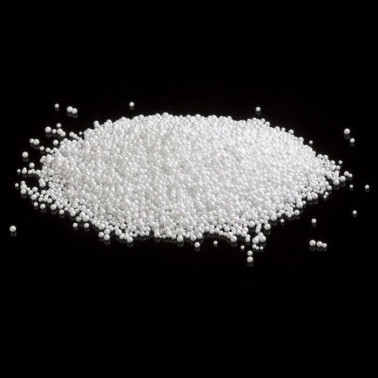
Equally important is the filling: traditional polystyrene (EPS granules) is allergen-neutral, does not absorb moisture or odours, and does not mould. Alternatives are natural fillings – buckwheat, buckwheat husks, cork granules – but these require more frequent replacement and can be a breeding ground for dust mites if not properly maintained.
The key rule: regularly wash the cover (every 4-6 weeks) at a minimum temperature of 60°C to eliminate house dust mites. A removable cover is a huge advantage of beanbags – traditional upholstered chairs require professional dry cleaning, which is costly and rarely done.
Choosing the right beanbag for your needs
When choosing a beanbag, various factors should be considered, such as size, shape, and filling material. Here are some tips to help you find the right beanbag chair for your needs:
Size and shape
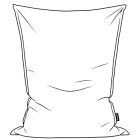
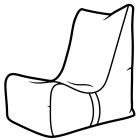
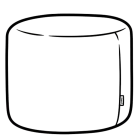
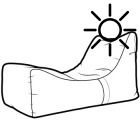
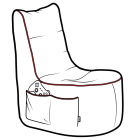
Beanbags are available in various sizes and shapes, from small poufs to large beanbags. When selecting a beanbag, consider the size of the space it will occupy and how many people will use it. Additionally, consider the shape of the beanbag, as it can affect the level of support and comfort. For children, we recommend smaller models (S or M), for adults – L or XL, and for seniors or those with mobility issues – XXL with a higher back and denser filling.
Filling material
The filling material of the beanbag can affect its comfort, durability, and environmental friendliness. The most common filling materials for beanbags are polystyrene beads, memory foam, and natural fillings such as buckwheat or kapok. Before making a final decision, consider the advantages and disadvantages of each filling material. Polystyrene granules (EPS) are the most durable, cheapest, and easiest to maintain – we recommend them for most users. Memory foam – for those needing very strong orthopedic support. Natural fillings – for eco-conscious individuals valuing biodegradability.
Design
Beanbag chairs are available in various designs and styles, from classic to modern, from smooth to patterned.